601 AD - PRESENT

THE ART OF

ORIGAMI

START EXPLORING

FOLDING THE ORDINARY INTO THE EXTRAORDINARY

Born from centuries of Japanese tradition.

Origami — from the Japanese ori (to fold) and kami (paper) — transforms a simple sheet into infinite form. What begins as a flat surface becomes pattern and idea which balances precision, patience, and imagination.

Beyond its beauty, origami bridges art, mathematics, and philosophy. Each crease tells a story where geometry meets grace, revealing complexity through simplicity. It's both a craft and a language of creation.

A Tradition Folded Through Time

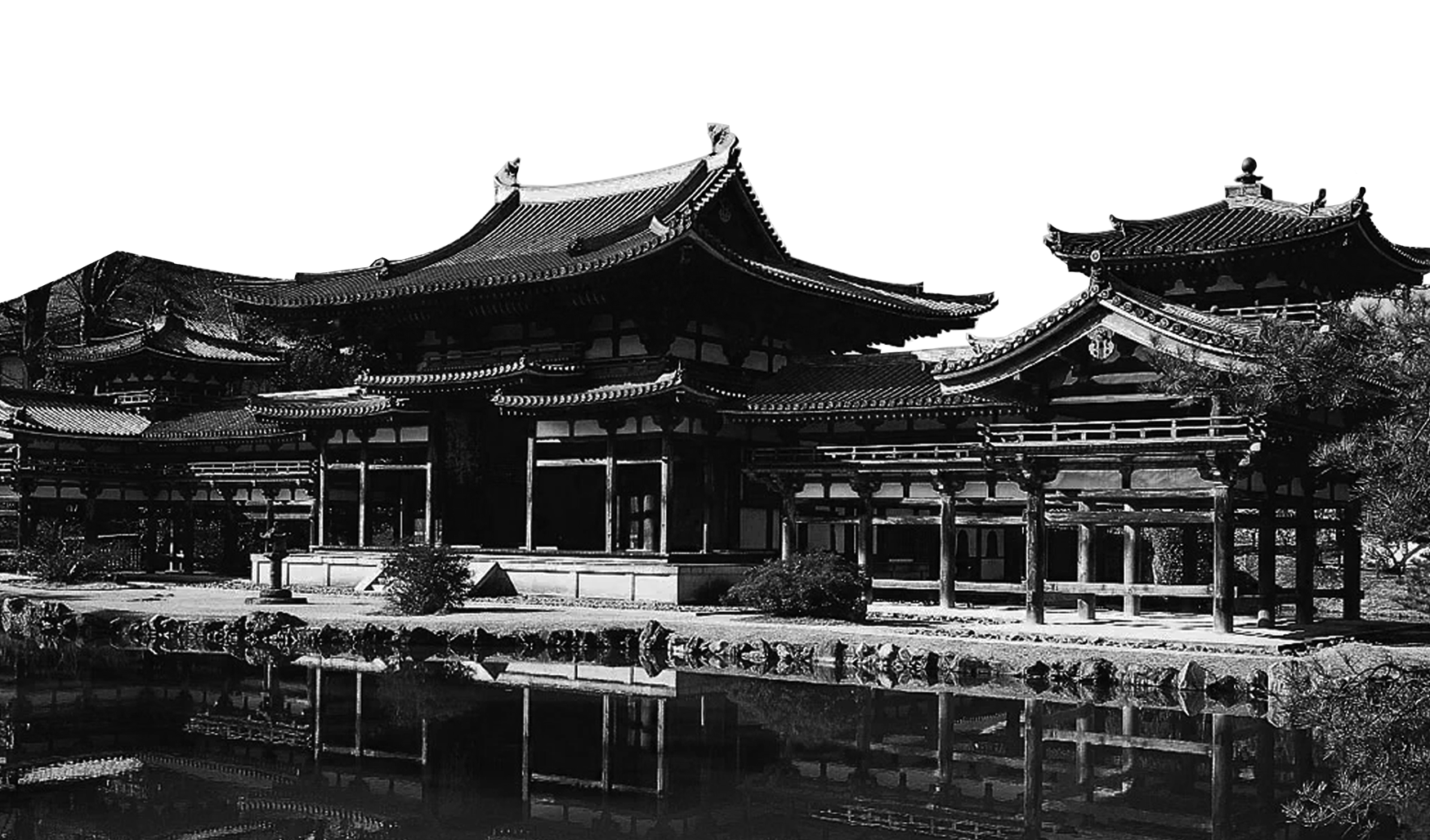
Born in Japan during the Heian period, origami began as a sacred act — a reflection of balance, beauty, and devotion. Much like the Phoenix Hall of Byōdō-in, it embodies the harmony between art and spirituality. Over time, folding evolved from ritual practice to a universal language of creativity and precision.

Historic temple

1000+

YEARS AGO

PAPER ARRIVES IN JAPAN

Highlight: Paper was first introduced from China. Japanese papermakers later developed washi.

Significance: These materials gave rise to ceremonial origami — folded forms used in Shinto rituals.

13TH - 16TH

CENTURY

MUROMACHI PERIOD

Highlight: Aristocratic etiquette formalized folding rituals.

Significance: This era shaped ceremonial origami — geometry, structure, symbolism.

17TH - 19TH

CENTURY

EDO PERIOD

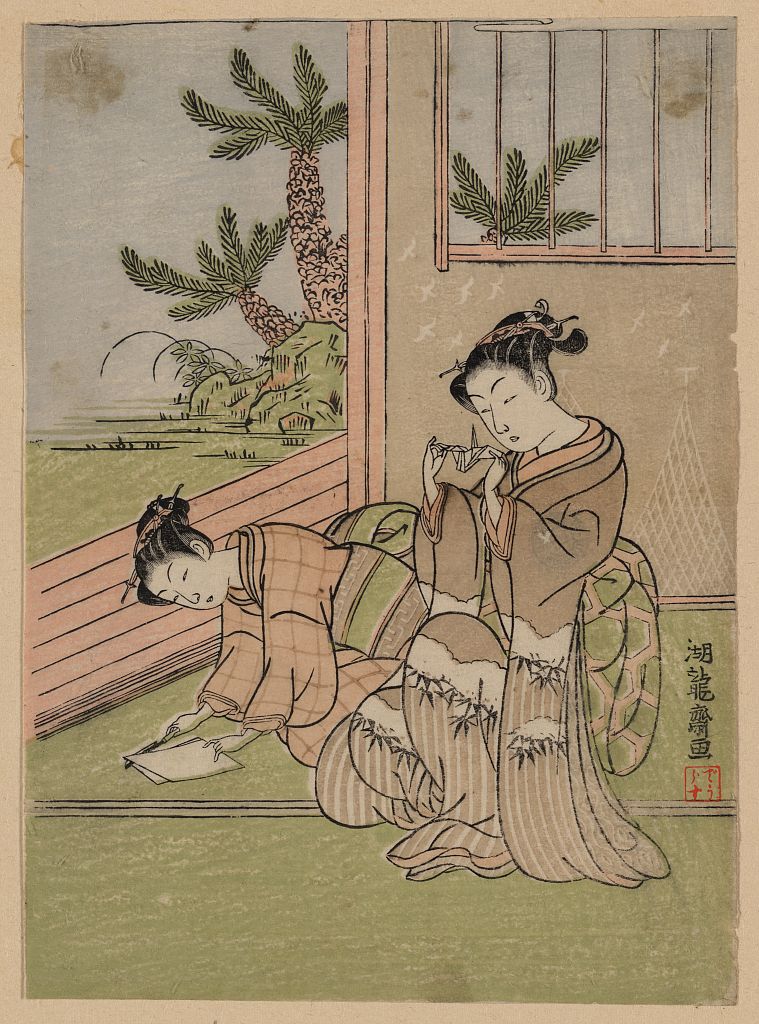
Highlight: Origami became recreational.

Significance: The first technical origami book, Hiden Senbazuru Orikata, was published.

Edo period artwork of origami

19TH - 20TH

CENTURY

MEIJI ERA

Highlight: Origami entered formal education.

Significance: Paper folding became part of mathematical learning.

20TH

CENTURY

THE YOSHIZAWA LEGACY

Highlight: Yoshizawa invented wet-folding and the modern notation system.

Significance: Origami became a global art form.

21ST

CENTURY

POST WAR TO PRESENT

Highlight: Origami spread globally into art, design, math, and engineering.

Significance: Folding now influences robotics, architecture, and space technology.

The Craft

Origami is built on restraint — a quiet balance between control and possibility.

A single sheet, without cuts or glue, transforms through intention alone. Each crease becomes a decision — visible proof of precision and patience.

At its core, origami embodies wabi-sabi, the Japanese appreciation for simplicity, imperfection, and transience. Folding is both meditative and mathematical — where structure emerges from stillness.

The language of origami is universal.

Every model begins with a base — a sequence of folds that forms the skeleton of design.

Square Base — the foundation for birds, cranes, and traditional forms.

Fish Base — used for animal and organic designs.

Frog Base — complex, multi-layered foundation for insects and creatures.

Each base connects through two fundamental folds:

Valley Fold — bends toward you.

Mountain Fold — bends away from you.

Materials Guide

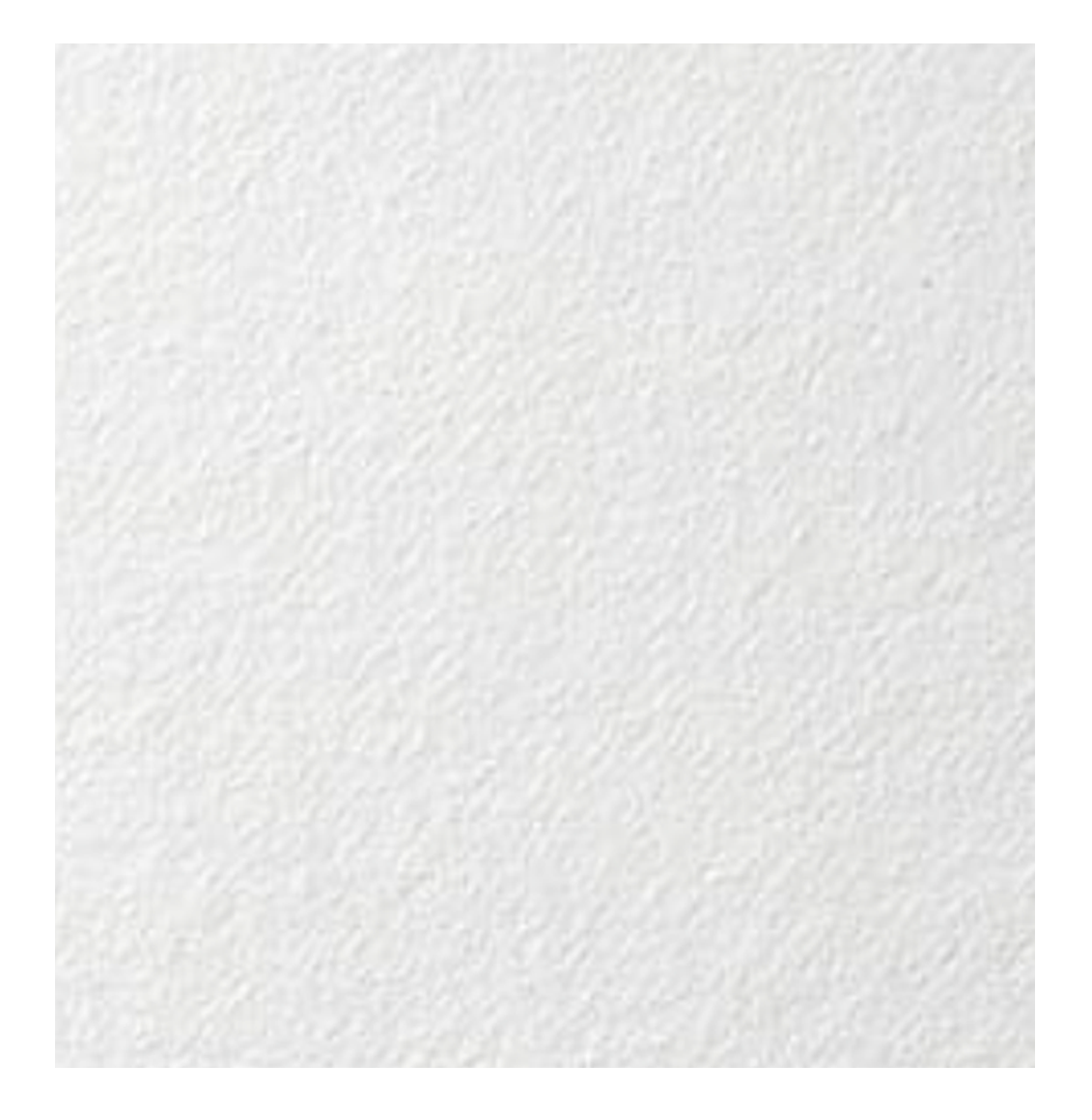
Kami paper

Kami

Thin, smooth, ideal for beginners.

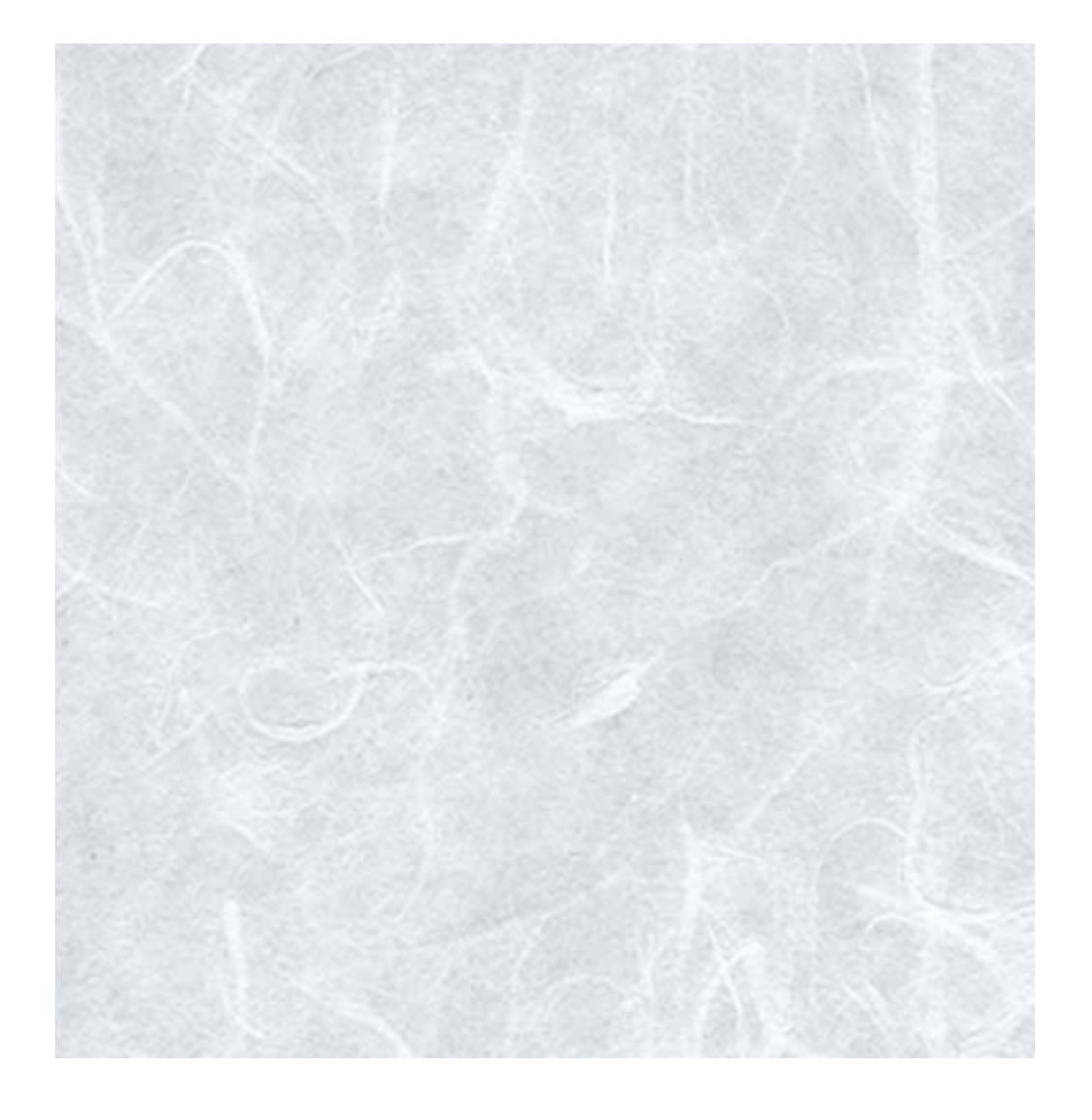
Washi paper

Washi

Traditional handmade Japanese paper.

Tant paper

Tant

Durable with crisp folds.

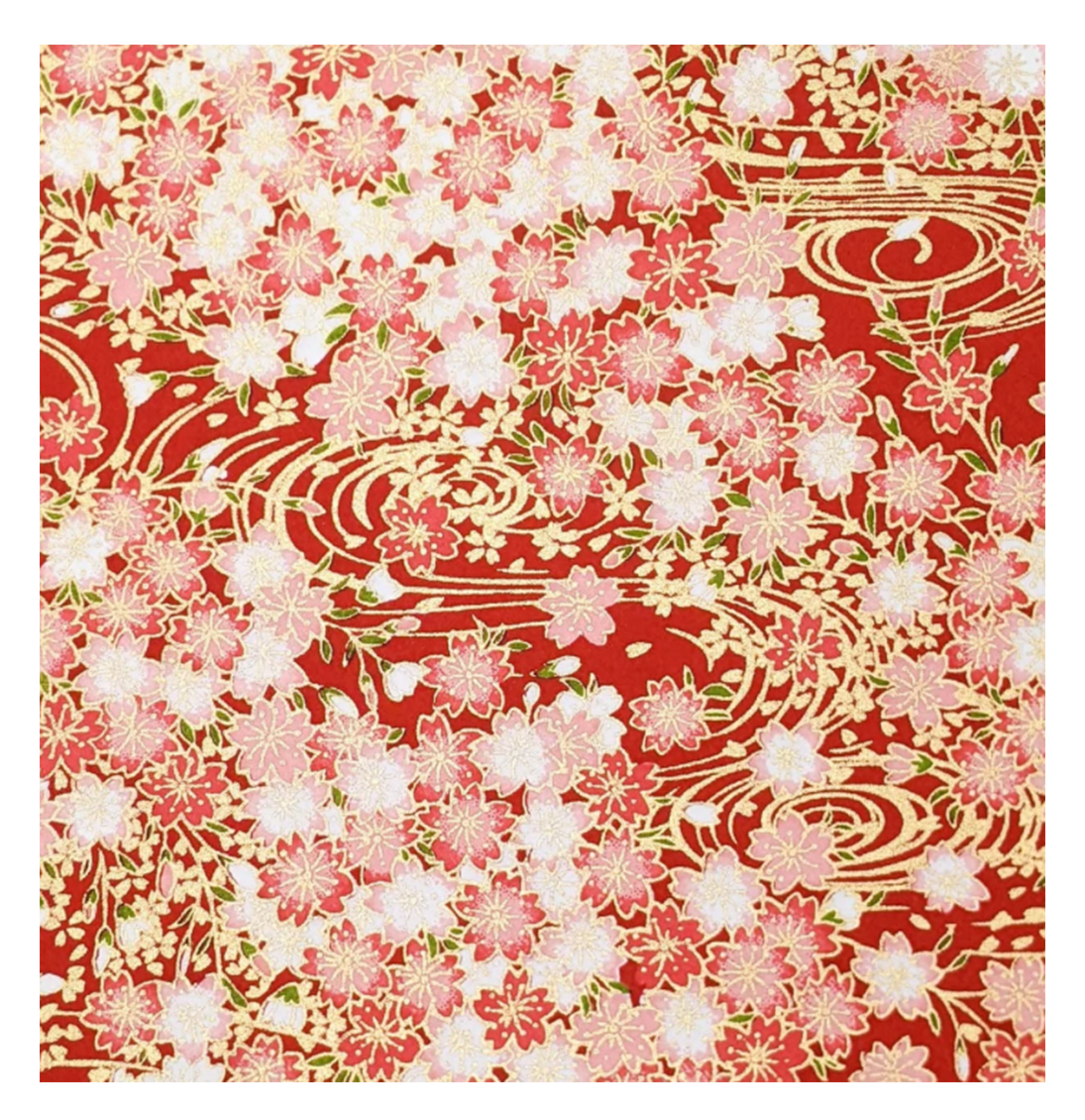
Chiyogami paper

Chiyogami

Colorful patterned paper.

Folding Types & Styles

Action origami

Action Origami

Move when manipulated.

Pureland origami

Pureland Origami

Only simple folds allowed.

Modular origami

Modular Origami

Built from many units.

Wet folding

Wet Folding

Shaped with damp paper.

Modern Reach

Scientific Applications

Its geometry guides engineers, physicists, and designers, reshaping how structures move, compress, and expand. From space telescopes that unfurl in orbit to medical stents that open within the human body, origami’s logic has become a tool of precision design.

Each fold is a solution — efficient, scalable, and elegantly engineered. Modern researchers and artists — including Robert J. Lang, Erik Demaine, and Tomohiro Tachi — fuse mathematics and art to explore new possibilities. Their work proves that folding is not just aesthetic, but algorithmic: a study in structure and transformation.

What was once hand and paper now informs robotics, aeronautics, and materials science — a dialogue between creativity and computation.

Architecture & Design Influence

The visual rhythm of origami — repetition, symmetry, and light play — has transformed how we think about form. Architects fold steel, glass, and fabric into structures that move like paper, creating spaces that breathe, contract, and expand.

Origami-inspired architecture appears in the Miura fold, used for solar panels and collapsible roofs, and in modern facades that respond to sunlight and airflow. Each design honors the same principles: minimal material, maximal transformation.

In fashion, designers reinterpret folds as structure — sculptural garments that echo the logic of paper, turning fabric into living geometry.

Cultural Impact

The paper crane, or orizuru, stands as a global emblem of compassion, amplified by the story of Sadako Sasaki, whose thousand cranes became a call for peace. Beyond symbolism, origami appears in film, animation, and literature — from motifs of transformation in Blade Runner and Paperman to the folds that metaphorically tie worlds together in contemporary storytelling.